Barossa Valley Wines: Old Vine Shiraz, Grenache and Generous South Australian Reds
Some places simply taste of themselves, and the Barossa Valley is one of them. Deep, dark Shiraz, juicy old vine Grenache and a warmth in the glass that feels like a long South Australian summer.
This is the region that put Australian red wine on the world map, and it still makes the wines people picture when they think of a big, generous Aussie red. Welcome to the Barossa.
What Makes Barossa Valley Wine So Special?
The Barossa Valley lies about an hour north east of Adelaide. It is a warm, dry valley where vines have grown since German speaking families from Silesia settled here in the 1840s.
Those early plantings are the heart of the story. South Australia has never had phylloxera, the vine pest that destroyed old vineyards across Europe, so the Barossa still farms some of the oldest Shiraz and Grenache vines in the world.
Old vines give small crops of concentrated fruit, and the warm climate ripens it fully. The result is Barossa wine at its most recognisable: rich, dark fruited, soft in tannin and generous from the first sip.
Our range reflects that. Around four in five of our Barossa wines are red, most of them full or medium to full bodied, and nearly all of them dry. If big reds are your usual territory, the full bodied red wine collection sits right alongside.
Barossa Shiraz: The Region's Signature Red
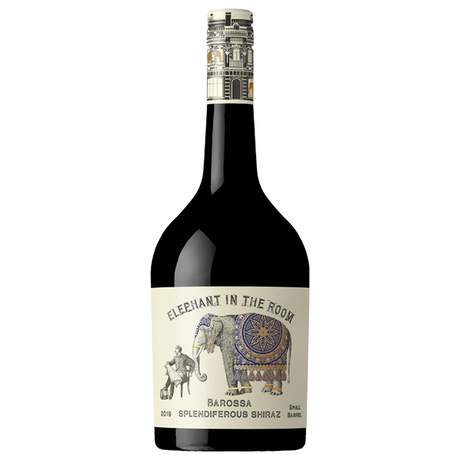
Shiraz is the grape the Barossa is famous for, and it makes up roughly half of our Barossa range. Expect blackberry, plum and dark chocolate, with a lick of spice and a soft, velvety finish.
Where the grapes grow shapes the glass. Vineyards on the western ridge around Greenock and Marananga tend towards dense, powerful wines, while sites climbing towards the eastern ranges give a fresher, more elegant style.
Some producers still make Shiraz from vines planted in the 1840s. Langmeil and Turkey Flat both tend vineyards of that age, and wines from genuinely old vines carry a depth that is hard to find anywhere else.
To set Barossa Valley Shiraz beside McLaren Vale, the Hunter Valley and the cooler, peppery styles, browse our full Shiraz collection.
Grenache, GSM and Barossa Cabernet
Grenache is the Barossa's other great red, and it is enjoying a real revival. Old bush vines give juicy raspberry and red cherry fruit, gentle spice and a lighter touch than Shiraz. See the whole Grenache range.
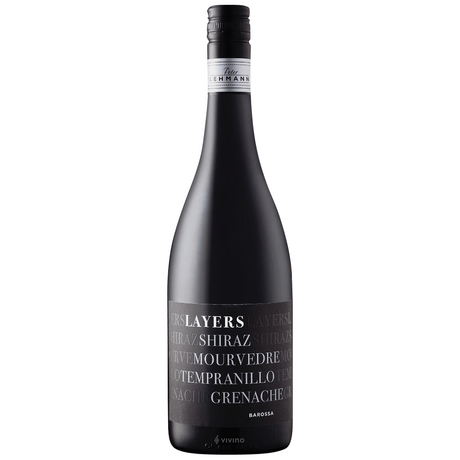
Blend Grenache with Shiraz and Mataro, the Australian name for Mourvèdre, and you have the GSM. It is a Rhône inspired blend the Barossa has made its own, and one of the most food friendly reds the region makes.
Cabernet Sauvignon from the Barossa is riper and rounder than Coonawarra's, with blackcurrant, cedar and a softer frame. It often appears blended with Shiraz, the classic Australian partnership. Compare the styles in our Cabernet Sauvignon collection.
Barossa White Wine, Rosé and Fortified
Red rules here, but the Barossa has quieter strengths. Semillon has grown in the valley since the 19th century and makes a textured, lemony white that ages beautifully, some of it from vines well over a hundred years old.
Rhône style whites built on Marsanne, Roussanne and Viognier are a Barossa speciality, alongside Riesling and a little Chardonnay. Find more whites in our white wine collection.
Barossa rosé is mostly made from Grenache, sometimes with a splash of Mourvèdre, so it tends to be dry, pale and full of strawberry fruit. It is a lovely way into the region on a hot afternoon.
Then there is fortified wine. Seppeltsfield has kept back barrels of tawny from every vintage since 1878, and its aged tawnies are among the great treasures of Australian wine. There is more in our fortified wine collection.
The Barossa Producers Behind Our Range
Our Barossa range brings together more than 70 producers, from century old family names to small, modern labels.
Yalumba has been in the same family since 1849, making it Australia's oldest family owned winery. Kalleske and Hentley Farm make generous, characterful Shiraz, and John Duval, once chief winemaker at Penfolds, now crafts his own Barossa reds.
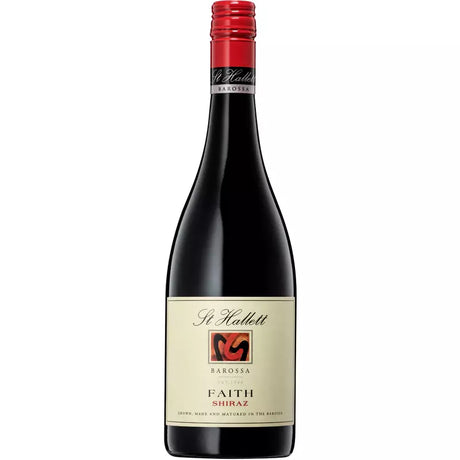
Chaffey Bros work with long established grower families across the region, while St Hallett has been a Barossa name since 1944. Eisenstone takes its name from the ironstone soils and the stone the German settlers built with.
How to Serve Barossa Wine
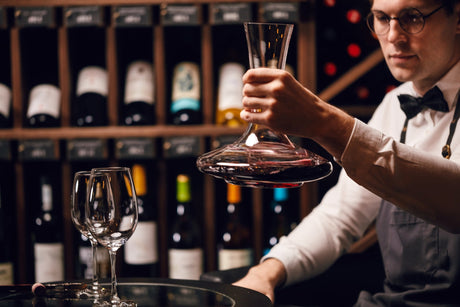
Serve Barossa reds at 16 to 18 degrees. Rich Shiraz can feel heavy when it is too warm, so a short spell in the fridge on a hot day helps. Young, powerful bottles open up nicely with half an hour in a decanter.
Grenache and rosé suit a light chill, whites belong in the fridge, and aged tawny is lovely just below room temperature in a small glass.
Food Pairing
Barossa Shiraz was made for the barbecue. Grilled steak, slow cooked lamb shoulder and smoky brisket all stand up to its richness. The valley's German heritage lives on in its smallgoods, and Shiraz with Barossa mettwurst is a very local pairing.
Grenache and GSM work with roast pork, duck and pizza. Semillon loves seafood and roast chicken, and an old tawny with blue cheese or dark chocolate is hard to resist.
Barossa Valley or Eden Valley? Your Questions, Answered
What is the difference between Barossa Valley and Eden Valley?
Eden Valley is higher and cooler. The warm Barossa Valley floor is known for rich Shiraz and Grenache, while Eden Valley is famous for fine, citrusy Riesling and more elegant reds. Find those wines in our Eden Valley collection.
Both belong to the wider Barossa zone, so a label that simply says Barossa can include fruit from either valley.
What wine is the Barossa Valley known for?
Shiraz, above all. The region is also celebrated for old vine Grenache, GSM blends, Semillon and aged fortified tawny.
What does old vine mean on a Barossa label?
The Barossa has its own Old Vine Charter that sorts vineyards by age. Old Vine means at least 35 years, Survivor Vine at least 70, Centenarian Vine at least 100 and Ancestor Vine 125 years or more.
How long can you cellar Barossa Shiraz?
Everyday bottles drink well within three to five years. Premium and old vine Barossa Shiraz can age for ten to twenty years, softening into leather, spice and dried fruit.
Why Buy Barossa Valley Wine at YourWines?
This range is built for exploring. Put old vine Shiraz beside a juicy Grenache, try a GSM against a Barossa Cabernet, or find a treasured tawny for after dinner.
Every wine is chosen by our team, most of it available by the dozen, and shipping is free Australia wide with a surcharge for WA, TAS and remote areas. Explore our wider red wine range or discover more Australian reds.