Cabernet Sauvignon: Structured Reds from Coonawarra, Margaret River and Bordeaux
Cabernet Sauvignon is the most planted red grape on earth, and it earned that place honestly. Firm, structured, unmistakably itself, with a line of blackcurrant running through every glass.
It is the grape behind the great châteaux of Bordeaux and behind Australia's most collectible reds. Give it good ground and a little patience and it repays both.
What Is Cabernet Sauvignon?
Cabernet Sauvignon is a thick skinned red grape born in Bordeaux, an accidental crossing of Cabernet Franc and Sauvignon Blanc that was only confirmed by DNA testing in 1996.
Those thick skins are the whole story. They give deep colour, firm tannin and the structure that lets the wine age for decades, which is why Cabernet is the backbone of so many cellars.
Blackcurrant is the signature, joined by cedar, tobacco leaf, dark plum and a distinct herbal note that shows as mint in Australia and as graphite in Bordeaux.
Almost all of it is dry and most of this range is full bodied, so our full bodied red wine collection is worth a look if that is your usual territory.
Australia's Cabernet Country
Cabernet is fussier about site than Shiraz. Too warm and it turns jammy, too cool and the herbal edge takes over. Australia has two regions that get it right so consistently they have become shorthand for the grape.
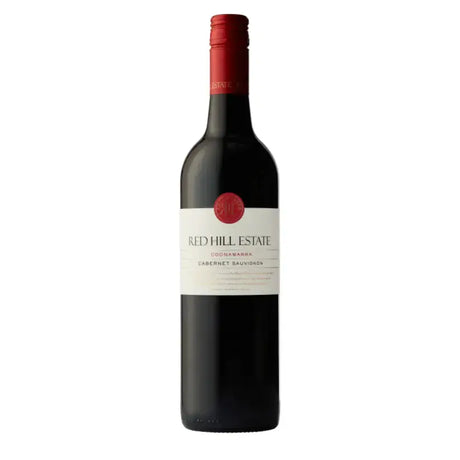
Coonawarra is the famous one, a narrow strip of red terra rossa soil over limestone in South Australia. The wines are precise and structured, with blackcurrant, mint and cedar, and they hold their shape for twenty years. Browse them in our Coonawarra red wine collection.
Margaret River in Western Australia is our largest source and the elegant alternative. Maritime air and a long ripening season give wines of real refinement, closer in spirit to Bordeaux than anywhere else in the country.
Barossa Valley and McLaren Vale deliver a riper, fuller reading, generous and warm rather than austere. The Barossa reds are where that style lives.
Langhorne Creek, Clare Valley, Great Southern, Frankland River, Yarra Valley, Wrattonbully and the Limestone Coast each add their own reading, from velvety and soft to firm and long lived.
Bordeaux, Tuscany and the Wider World
Cabernet travelled further than any other grape, and the range follows it.
Bordeaux is the source, and we carry wines from Pauillac, Saint-Estèphe and Saint-Émilion among others. On the Left Bank Cabernet leads the blend and the wines are firmer and longer lived. Our Bordeaux collection gathers them.
Tuscany is the other great outpost. Cabernet blended with Sangiovese created the Super Tuscans in the 1970s and changed Italian wine permanently. You will find them among our Italian reds.
Napa Valley contributes the ripe, opulent Californian style, and there are wines from Chile's Maipo Valley and South Africa's Stellenbosch as well.
Cabernet Blends
Cabernet is rarely alone. Its tannin is firm enough that most winemakers soften it with something.
The Bordeaux answer is Merlot, which fills the middle of the palate where Cabernet can feel hollow. That partnership has its own home in our Cabernet Merlot range, and the supporting Bordeaux grapes, Cabernet Franc, Malbec and Petit Verdot, all appear here too.
The Australian answer is Shiraz, and the result is the great Australian red. Generous Shiraz fruit filling the frame that Cabernet builds. It sits in our Shiraz Cabernet collection.
How to Serve Cabernet Sauvignon
Serve at 16 to 18 degrees. Warmer than that and the alcohol and tannin both harden, and a good share of this range sits above 14 percent.
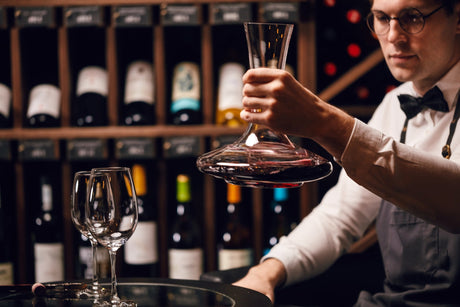
Young Cabernet benefits from air more than almost any red. An hour in a decanter softens the tannin noticeably. Older bottles need less time and a steadier hand, since the sediment settles.
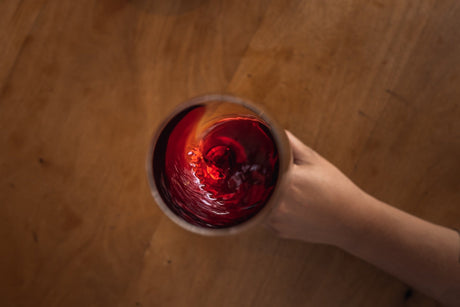
Use a large bowled glass. Cabernet is the grape those oversized Bordeaux glasses were designed for.
Food Pairing
Cabernet and red meat is one of the reliable pairings in wine. The tannin cuts through fat, so a well marbled steak, roast lamb or a rib of beef all work perfectly.
Hard aged cheeses, mushroom dishes and anything with rosemary or thyme pick up the herbal side of the grape. Avoid delicate fish and very spicy food, where the tannin turns metallic.
Coonawarra or Margaret River? Your Questions, Answered
What is the difference between Coonawarra and Margaret River Cabernet?
Coonawarra gives structure and mint over terra rossa soil, firm and built to age. Margaret River gives elegance and finer tannin from a maritime climate, closer to Bordeaux in style.
Neither is better. Coonawarra suits a cellar and a roast, Margaret River suits drinking sooner and food that is a little lighter.
Is Cabernet Sauvignon dry or sweet?
Dry, essentially always. The dark fruit can read as sweetness, but there is no meaningful residual sugar. What you are tasting as richness is ripeness and oak.
How long does Cabernet Sauvignon age?
Longer than most reds. Everyday bottles drink well for three to five years, while serious Coonawarra, Margaret River and Bordeaux examples reward ten to twenty. Tannin softens into cedar, tobacco and dried herbs.
What is the difference between Cabernet Sauvignon and Cabernet Franc?
Cabernet Franc is the parent grape. It ripens earlier, has thinner skins and makes a lighter, more floral wine with a leafy, capsicum note. In Bordeaux it plays a supporting role in the blend.
Why does Cabernet Sauvignon taste of blackcurrant?
The same aroma compounds, called pyrazines and methoxypyrazines, occur in both the grape and the fruit. Ripeness decides which side you get: less ripe leans green and herbal, fully ripe leans towards cassis.
Why Buy Cabernet Sauvignon at YourWines?
This range lets you put the styles side by side. Coonawarra structure against Margaret River elegance, Australian ripeness against Bordeaux restraint, and a handful of Super Tuscans that show what happens when Cabernet meets Sangiovese.
Every wine is chosen by our team, most of it available by the dozen, and shipping is free Australia wide with a surcharge for WA, TAS and remote areas. Explore the wider red wine range, the full Australian collection, or go straight to Australian reds.