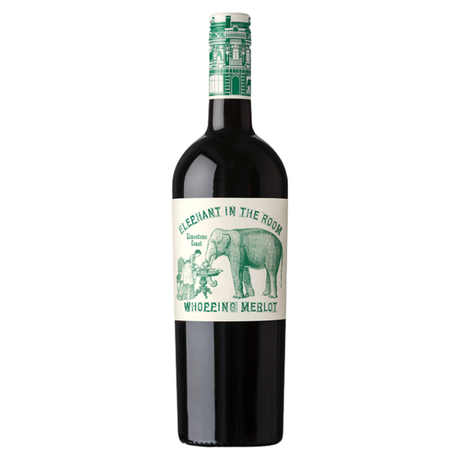
Merlot: Silky Bordeaux Reds, Super Tuscans and Australian Classics
Merlot is the red you can open on a Tuesday and still pour at a dinner party. Plush, rounded, generous with fruit and gentle with tannin.
It also makes some of the most sought after wine on the planet. The great estates of Pomerol are Merlot, and so is a good part of what fills a bottle of Saint-Émilion. Approachable and serious are not opposites here.
What Is Merlot?
Merlot is a red grape from Bordeaux, a child of Cabernet Franc and a nearly extinct variety called Magdeleine Noire des Charentes. It ripens earlier than Cabernet Sauvignon and has thinner skins, which is where its whole character comes from.
Less skin means less tannin, so the wine feels softer and rounder in the mouth. Expect plum, black cherry and blackberry, with chocolate, vanilla and a hint of bay leaf where oak has been used.
Nearly all of it is dry, and the range sits mostly in the medium to full band rather than at the heavy end. Our medium bodied red wine collection is the natural place to look sideways.
Bordeaux: The Right Bank Story
Bordeaux is where Merlot matters most, and the river running through it divides the region into two quite different halves.
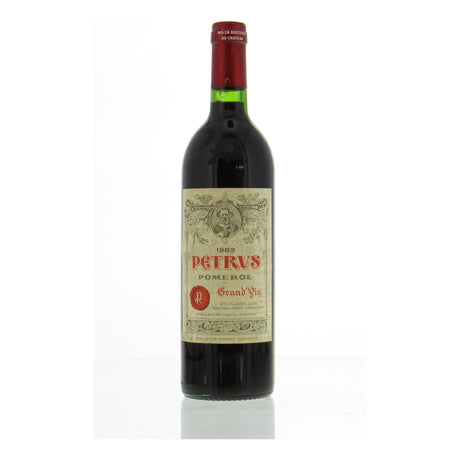
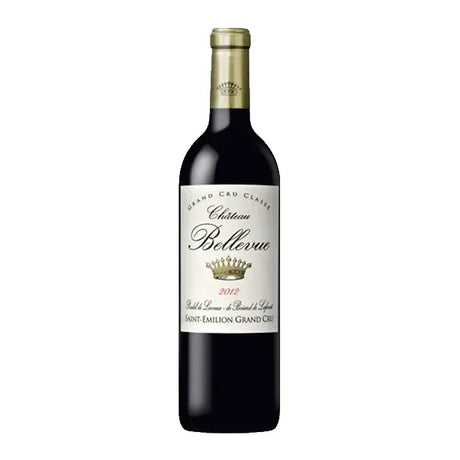
On the Right Bank, Merlot leads. Pomerol and Saint-Émilion sit on clay and limestone that suits it perfectly, and the wines are plush, dense and famously long lived. Pomerol in particular produces Merlot at its most expensive anywhere.
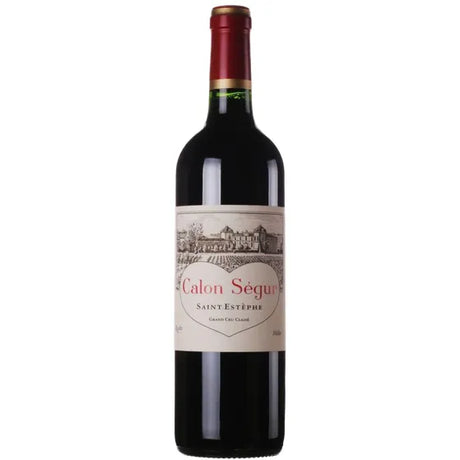
On the Left Bank, in Margaux, Pauillac and Saint-Estèphe, the roles reverse. Cabernet Sauvignon leads and Merlot fills the middle of the palate, softening the structure. We carry wines from both sides in our Bordeaux collection, and the wider French range covers the rest.
Where Else Merlot Grows
Margaret River is our largest Australian source and the country's most convincing Merlot region, with the maritime climate giving structure as well as softness.
Coonawarra adds mint and firmness over terra rossa soil, and its Merlot often ends up alongside Cabernet in a blend. Browse them in our Coonawarra red wine collection.
Adelaide Hills, Barossa Valley, Hunter Valley, Orange, McLaren Vale and Wrattonbully each contribute smaller parcels, ranging from fresh and red fruited to ripe and chocolatey.
Tuscany is the other stronghold. Merlot arrived there in the 1970s and became a pillar of the Super Tuscans, sometimes blended with Sangiovese and sometimes bottled on its own. You will find them among our Italian reds, along with wines from Sicily, Veneto and Abruzzo.
Smaller groups come from Napa Valley, New Zealand's Hawke's Bay and Chile's Aconcagua Valley.
Merlot in a Blend
Merlot is the most useful blending grape in the world, and roughly half of this range proves it. Where a wine feels hard or hollow in the middle, Merlot fills the gap.
The classic partner is Cabernet Sauvignon, and the pairing is so established it has its own home in our Cabernet Merlot range. Cabernet supplies the frame and the tannin, Merlot the flesh.
Cabernet Franc, Petit Verdot and Malbec complete the Bordeaux set and appear throughout the collection. In Tuscany the partner is Sangiovese instead, and in Australia you will occasionally find Merlot alongside Shiraz.
How to Serve Merlot
Serve at 15 to 17 degrees, slightly cooler than Cabernet. Merlot shows its perfume better when it is not warm, and the softer tannin means it needs less help from the air.
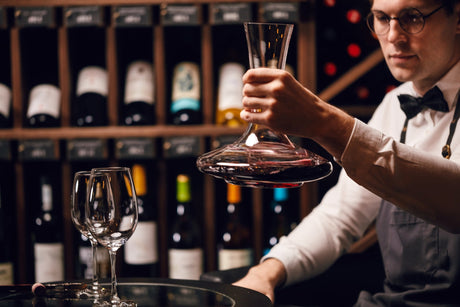
Younger, fruitier bottles are ready straight away. Right Bank Bordeaux and Super Tuscans benefit from half an hour open, or a gentle decant if there is sediment.
Everyday Merlot drinks well for three to five years. Pomerol, Saint-Émilion and the better Tuscan examples will hold for fifteen and turn towards truffle, leather and dried fig.
Food Pairing
Merlot is easier at the table than most reds because the tannin does not fight the food. Roast chicken, pork, duck, meatballs, lasagne and mushroom dishes all work.
It handles tomato sauces better than Cabernet and copes with mild spice. Soft cheeses suit it, and so does a plain steak when you want something less demanding than a big Cabernet.
Merlot or Cabernet Sauvignon? Your Questions, Answered
What is the difference between Merlot and Cabernet Sauvignon?
Thicker skins on Cabernet mean more tannin, more structure and a firmer, more austere wine. Merlot has thinner skins, softer tannin and rounder fruit, so it feels plusher and is ready to drink sooner.
Cabernet leans towards blackcurrant and cedar, Merlot towards plum and chocolate. In Bordeaux they are almost always blended, because each covers what the other lacks.
Is Merlot a sweet wine?
No, essentially all Merlot is dry. Its ripe plum fruit and soft texture make it taste smoother than a tannic red, and people often read that softness as sweetness. There is very little residual sugar.
Is Merlot a good wine for beginners?
It is one of the easiest reds to start with. Low tannin, generous fruit and no sharp edges mean there is nothing to get used to, and it works with a wide range of food.
What is the most famous Merlot?
The wines of Pomerol in Bordeaux, where Merlot dominates the blend and the leading estates command extraordinary prices. Saint-Émilion next door works with the same grape at a wider range of price points.
How long does Merlot age?
Less than Cabernet as a rule, because there is less tannin to soften. Everyday bottles are at their most enjoyable within five years, while Right Bank Bordeaux and serious Tuscan Merlot reward ten to fifteen.
Why Buy Merlot at YourWines?
This range treats Merlot as a serious grape rather than a soft option. Right Bank Bordeaux from Pomerol and Saint-Émilion sits alongside Tuscan bottlings and Margaret River, so you can taste the difference between Merlot as a blend and Merlot on its own.
Every wine is chosen by our team, most of it available by the dozen, and shipping is free Australia wide with a surcharge for WA, TAS and remote areas. Explore the wider red wine range, the full Australian collection, or go straight to Australian reds.