Shiraz Wine: Bold Barossa, McLaren Vale and Cool Climate Australian Reds
No grape tells the Australian story quite like Shiraz. It arrived in the 1830s, found soil and sunshine that suited it better than almost anywhere on earth, and never left.
Today it grows from the warm valley floor of the Barossa to windswept vineyards in Western Australia. Dark and velvety, peppery and lean, sparkling, pink, even fortified. Few grapes give you this much to explore.
What Is Shiraz?
Shiraz is a dark skinned red grape, known as Syrah in France and much of the rest of the world. Australia has grown it since the 1830s, and some of the oldest surviving vines anywhere are still producing fruit here.
In the glass it leans towards blackberry, dark plum and black cherry, wrapped in warm spice. Warmer regions push it towards chocolate and liquorice, cooler ones towards black pepper, violets and a savoury, almost meaty edge.
Nearly everything here is bone dry, and most of it is full bodied or close to it. If that weight is what you are after, our full bodied red wine range gathers it from every grape.
Australia's Great Shiraz Regions
Shiraz changes character with the ground it grows in, and the regional differences are wide enough to taste blind. These are the ones that shape our range.
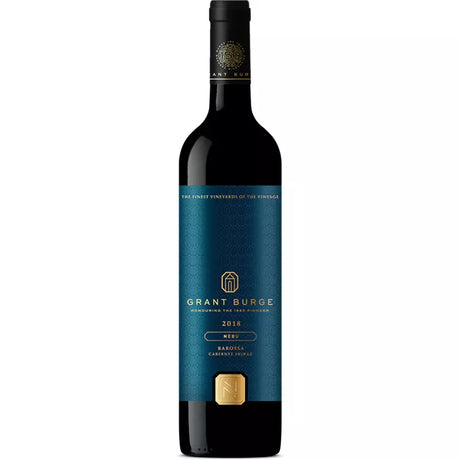
Barossa Valley is the heartland and our largest single source. Warm days, old vines and deep fruit give wines of real density, with blackberry, dark chocolate and sweet oak spice. Its higher, cooler neighbour Eden Valley turns out something finer boned and more perfumed. Both sit in our Barossa red wine collection.
McLaren Vale is the other great South Australian name and our second largest source. Maritime air keeps the fruit brighter, and the wines carry plum, dark chocolate and a rounder, softer shape.
Hunter Valley in New South Wales does something nobody else does. Medium weight, earthy and savoury, with leather and spice arriving as the wine ages, and a track record for lasting decades.
Clare Valley and Langhorne Creek sit between the extremes, firm and structured in Clare, generous and velvety in Langhorne Creek. Our Clare Valley reds are worth a look if you like a bit of grip.
Then come the cool climate expressions, and this is where Shiraz surprises people. Heathcote in Victoria grows it on ancient Cambrian soil for wines of extraordinary depth and length.
Adelaide Hills, Great Southern, Frankland River, Yarra Valley, Orange and the Canberra District deliver the peppery, floral, lower alcohol style that has changed how the world sees Australian Shiraz. Margaret River, Mudgee, Coonawarra and the Mornington Peninsula each add their own accent.
Shiraz Blends and Other Styles
Shiraz is a generous blending partner, and some of Australia's most loved reds are built on it.
GSM pairs it with Grenache and Mourvèdre for a wine with more lift and a savoury finish. Most of them live in our Grenache collection.
Shiraz Cabernet is the great Australian red, generous Shiraz fruit given shape by Cabernet's firmer lines. It has a range of its own, and so does Cabernet Sauvignon.
Shiraz Viognier borrows a trick from the northern Rhône, cofermenting a little white Viognier with the red to lift the aroma and soften the tannin. For the wider picture, our Blend and Cuvée range covers every style built from more than one grape.
Shiraz does not stop at red, either. It makes dry, fruit forward rosé, and it is the grape behind sparkling Shiraz, an Australian original served chilled at Christmas. A handful of fortified Shiraz wines round out the range.
How to Serve Shiraz
Serve full bodied Shiraz at 16 to 18 degrees, cooler than most people expect and just under room temperature. Too warm and the alcohol takes over, and a good deal of this range sits above 14 percent.
Younger, denser wines open up with an hour in a decanter. Cool climate styles need less air and take a slight chill nicely. Sparkling Shiraz goes straight from the fridge.
Shiraz also ages well. Barossa, Heathcote and Hunter Valley examples can hold for a decade or more, softening into leather, earth and dried spice.
Food Pairing
Shiraz was made for the barbecue. Lamb, beef ribs, sausages, anything carrying char and smoke, and the peppery cool climate styles handle a spice rub especially well.
Richer versions belong with slow cooked beef, venison and hard aged cheeses. Sparkling Shiraz is the happy exception that works with roast turkey and even Christmas pudding.
Shiraz or Syrah? Your Questions, Answered
What is the difference between Shiraz and Syrah?
They are the same grape. Australia and South Africa call it Shiraz, France and most of the wine world call it Syrah.
The name has also become a style signal, with Shiraz suggesting the riper, fuller version and Syrah the leaner, peppery one. That is why a few Australian producers now label their cool climate wines Syrah.
Is Shiraz always a full bodied wine?
No. Most of this range is full or medium to full bodied, but cool climate regions produce medium weight wines with lower alcohol and more pepper than power. Hunter Valley Shiraz has always been medium bodied.
Is Shiraz sweet or dry?
Almost all Shiraz is dry. Ripe dark fruit can read as sweetness on the palate, but there is very little residual sugar in the wine. The exceptions are the fortified styles, which are genuinely sweet.
What does Mataro mean on a Shiraz label?
Mataro is the Australian name for Mourvèdre, the third grape in a GSM blend. Both names turn up on labels here and they refer to the same variety.
How long should I keep a bottle of Shiraz?
Most Shiraz drinks well on release. Serious Barossa, Heathcote and Hunter Valley examples reward five to fifteen years in the cellar, turning savoury and complex rather than staying fruity.
Why Buy Shiraz Wine at YourWines?
This is the deepest single grape range we carry, and it is drawn from across the country rather than from a handful of the largest labels. Barossa power sits beside Hunter Valley restraint and cool climate pepper, so you can taste what the ground does to a grape.
Every wine is chosen by our team, most of it available by the dozen, and shipping is free Australia wide with a surcharge for WA, TAS and remote areas. Explore the wider red wine range, the full Australian collection, or go straight to Australian reds.