Pinot Noir: Silky, Perfumed Reds from Burgundy to Central Otago
Pinot Noir asks more of a winemaker than any other grape, and gives more back when it works. Thin skinned, fussy about where it grows, unforgiving of a warm summer.
Get it right and you have a red of extraordinary perfume and lightness, all red cherry and rose petal, with a silky texture that no other variety quite manages. It is the reason people fall down the Burgundy rabbit hole and never climb out.
What Is Pinot Noir?
Pinot Noir is a thin skinned red grape from Burgundy, where it has been grown for the better part of a thousand years. It produces pale, aromatic wines that are lighter in body and lower in tannin than most reds.
Expect red cherry, raspberry and strawberry when it is young, moving towards mushroom, forest floor and warm spice as it ages. Almost everything here is dry, and nearly all of it sits in the ordinary alcohol range rather than the heady end.
If a lighter red is what you are after generally, our medium bodied red wine range covers the same territory across other grapes.
Where Our Pinot Noir Comes From
Pinot Noir only performs in cool places, which is why the map of good Pinot is short and specific. Ours comes from both hemispheres.
Burgundy is the benchmark and a real strength of this range, with wines from the Côte de Beaune and Côte de Nuits alongside village and regional bottlings. Houses such as Louis Latour, Bouchard Père & Fils, Joseph Drouhin and Genot-Boulanger are all represented. Browse the wider French wine range for the rest of the country.
Adelaide Hills is our largest Australian source, sitting high enough above the plains to keep the fruit fresh and the perfume intact. The neighbouring Piccadilly Valley adds a few more.
Yarra Valley in Victoria runs it close and gives a slightly darker, more savoury reading, while Mornington Peninsula leans towards elegance and red fruit.
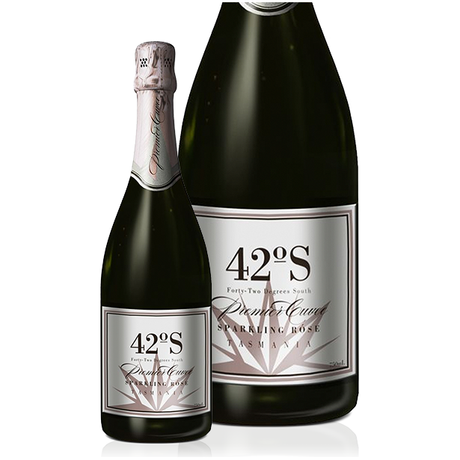
Tasmania is the coolest Australian option of all, with the Tamar Valley, Pipers River and Coal River Valley producing taut, high acid wines that age beautifully. Gippsland, Beechworth, Orange and Tumbarumba each contribute their own.
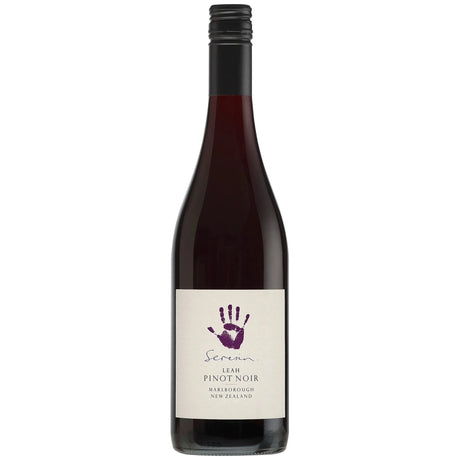
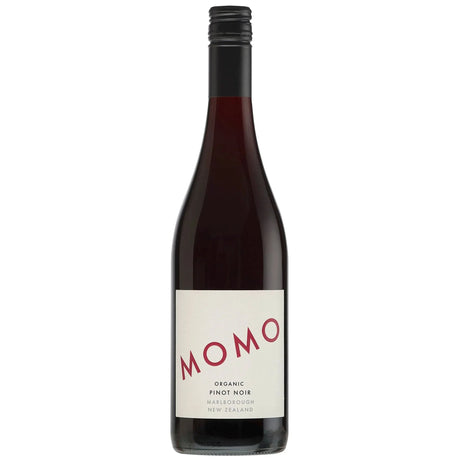
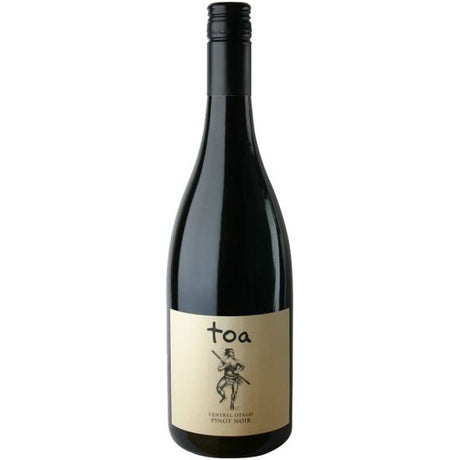
Across the Tasman, Central Otago makes the boldest Pinot in the range, ripe and dark fruited from the world's most southerly wine region. Marlborough offers a lighter, brighter take and Martinborough something more structured. They sit together in our New Zealand red wine collection.
Pinot Noir Beyond Red Wine
A good deal of the Pinot Noir here never becomes a red at all, and that surprises people.
It is one of the three permitted grapes in Champagne, where it supplies the body and backbone that Chardonnay lifts and brightens. Pressed gently and quickly, black grapes make white wine, which is how a Blanc de Noirs comes about.
The same logic drives sparkling wine across Australia and New Zealand, and our sparkling wine range leans heavily on Pinot Noir for exactly that reason.
Left on its skins for a few hours instead of a few days, it also makes pale, dry rosé with strawberry fruit and a savoury finish.
How to Serve Pinot Noir
Serve it cooler than other reds, around 14 to 16 degrees. Twenty minutes in the fridge before pouring does the job, and the perfume comes through far more clearly than it does at room temperature.
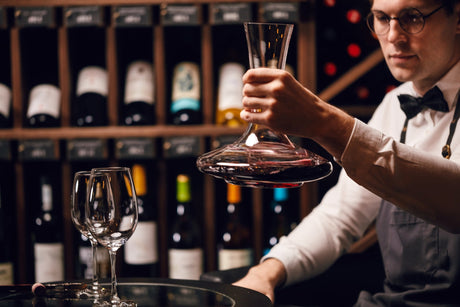
Use a wide bowled glass so the aromatics have room to gather. Young Pinot rarely needs decanting, though older Burgundy benefits from being opened half an hour ahead.
Village Burgundy, Tasmanian and Central Otago bottles reward five to ten years, when the red fruit gives way to mushroom, truffle and dried flowers.
Food Pairing
Pinot Noir is the most food friendly red there is. Duck is the classic, along with roast chicken, pork and salmon, which is one of the few reds that genuinely works with fish.
Mushrooms in any form are a natural match, and so are soft washed rind cheeses. Its gentle tannin means it will not flatten a delicate dish the way a bigger red does.
Why Is Pinot Noir So Hard to Grow? Your Questions, Answered
Why is Pinot Noir considered difficult?
The skins are thin, so the grape rots in rain and burns in heat, and it ripens early enough to be caught by spring frost.
The margin between underripe and overripe is narrow, and a warm week at the wrong moment costs a vintage. That is why the good sites are so few and so valuable.
Is Pinot Noir a light red wine?
Usually. Most of this range is light to medium bodied with soft tannin and bright acidity. Central Otago and warmer Australian sites can produce something considerably richer, but even those stay well short of a Shiraz.
What is the difference between Burgundy and Pinot Noir?
Red Burgundy is Pinot Noir. The French label by place rather than grape, so a bottle from Gevrey-Chambertin or Volnay says nothing about the variety even though Pinot Noir is what is inside.
Is Pinot Noir dry or sweet?
Dry, almost without exception. Ripe red fruit can suggest sweetness on the nose, but there is essentially no residual sugar in the wine.
Why Buy Pinot Noir at YourWines?
Few ranges let you taste Pinot Noir side by side across the places that grow it well. Genuine Burgundy sits next to Adelaide Hills, Yarra Valley, Tasmania and Central Otago, so you can work out which style you actually like before committing to a case.
Every wine is chosen by our team, most of it available by the dozen, and shipping is free Australia wide with a surcharge for WA, TAS and remote areas. Explore the wider red wine range, the whole Australian collection, or narrow to Australian reds.