Blend & Cuvée Wine: Bold GSM, Classic Bordeaux Reds and Sparkling Cuvées
Some wines are found. Others are built. A blend is the winemaker's own composition, a wine assembled from several grapes so that each one covers what the others cannot.
It is how Bordeaux earned its reputation, how the Barossa built its GSM, and how almost every bottle of Champagne comes together. Welcome to the corner of our cellar where the grapes work as a team.
What Is a Blend?
A blend is a wine made from two or more grape varieties, brought together to create something none of them delivers on its own. One grape lends the fruit, another the structure, a third the perfume.
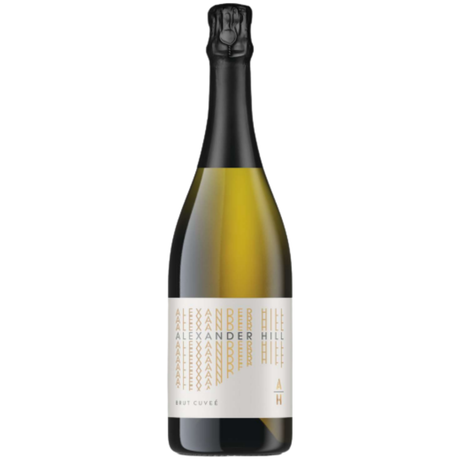
You will also see the word cuvée on these labels. In sparkling wine it describes a particular blend a house has assembled, often across several vineyards and several years, and it is the reason a good non vintage fizz tastes the same reassuring way with every release.
Blending is not a shortcut. It is a decision made in the winery, tasted component by component, and it is where a great deal of the craft actually lives.
Popular Blend and Cuvée Styles
Reds lead this range and Australia sits at its heart, with France and Italy close behind. A handful of styles do most of the work.
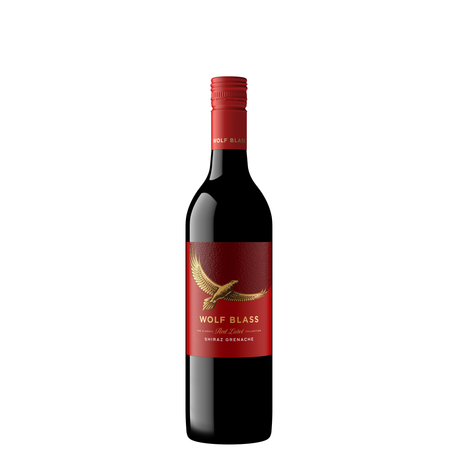
GSM is the Australian classic. Grenache brings red fruit and lift, Shiraz brings depth and spice, Mourvèdre brings grip and a savoury backbone. Most of them live in our Grenache collection, where the Rhône originals sit alongside the Barossa and McLaren Vale versions.
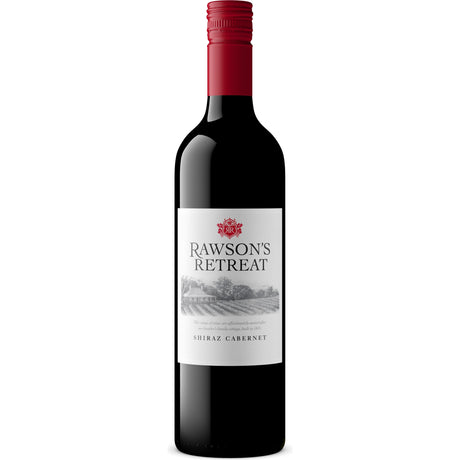
Shiraz Cabernet is the other great Australian pairing, generous Shiraz fruit framed by the firm lines of Cabernet. It has a home of its own in our Shiraz Cabernet range, and both parents have collections too, in Shiraz and Cabernet Sauvignon.
Bordeaux style reds put Cabernet Sauvignon and Merlot at the centre and adjust the supporting grapes to suit the vintage. The originals sit in our French wine range, next to the Grenache and Syrah blends of the Rhône Valley.
If you would rather see every red blend in one place, whatever the grapes, start with Red Blends.
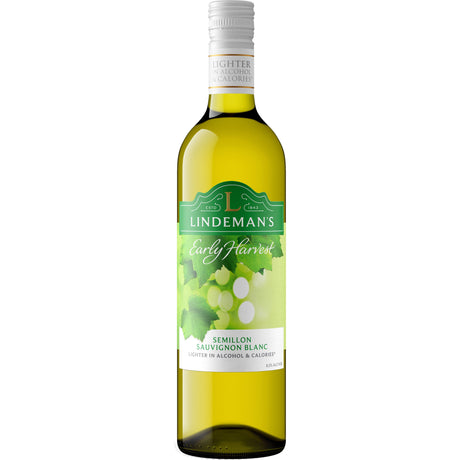
White blends work the same way with different tools. Semillon Sauvignon Blanc is the Australian staple, citrusy and crisp with a little more weight than Sauvignon Blanc alone, and Chardonnay finds its way into blends across the range. The wider white wine collection has the full picture.
Rosé is very often a blend as well, with Grenache, Shiraz and Cabernet each lending colour and fruit. Our rosé collection runs from pale and bone dry through to the fruitier end.
Sparkling cuvées are the classic trio at work: Chardonnay for elegance, Pinot Noir for body, Pinot Meunier for softness and early charm. That is the traditional method in a sentence, and you can follow it through our sparkling wine range or go straight to Champagne.
How to Serve a Blend
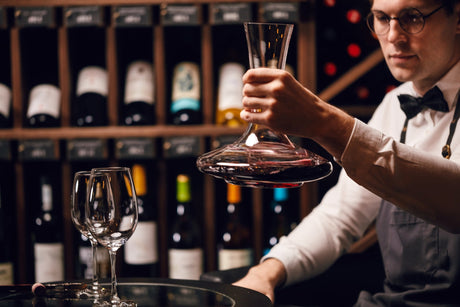
Full bodied reds such as GSM and Bordeaux styles are most expressive at around 16 to 18 degrees, just under room temperature. Give the bigger ones twenty minutes in a decanter and they open up noticeably.
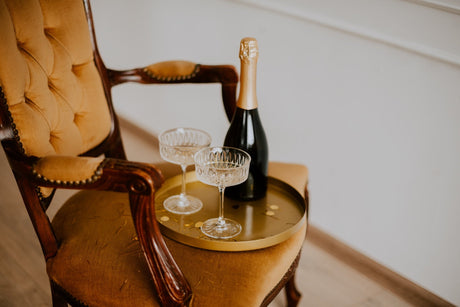
White blends want 8 to 10 degrees, rosé a touch cooler, and sparkling cuvées come straight from the fridge at 6 to 8 degrees. Use a glass with a bowl wide enough to swirl, since a blend has more layers to release than a single grape.
Food Pairing
GSM and Shiraz Cabernet were made for the barbecue. Lamb, beef ribs, anything with a bit of char on it, and the savoury edge of Mourvèdre handles smoke and spice particularly well.
Bordeaux style reds belong with a roast, aged cheddar and slow cooked beef. Semillon Sauvignon Blanc is a natural with oysters, prawns and a squeeze of lemon, and sparkling cuvées reach well beyond canapés, all the way to fried chicken and salty snacks.
Blend or Single Varietal? Your Questions, Answered
Is a blended wine lower quality than a single varietal?
No. Many of the most collected wines in the world are blends, including nearly all of Bordeaux and every bottle of non vintage Champagne. Blending is a winemaking choice, not a compromise.
What does cuvée actually mean?
Cuvée refers to a specific blend a producer has put together. In sparkling wine it usually describes the house style, drawn from several vineyards and often several vintages, so the wine tastes consistent from one release to the next.
What does GSM stand for?
Grenache, Shiraz and Mourvèdre. It is the Australian name for the Rhône blend, and the proportions shift from producer to producer, which is why no two GSMs taste quite alike.
How do I know what is in the bottle?
The label lists the grapes in order of proportion, so a Shiraz Cabernet holds more Shiraz than Cabernet. A label that names a single grape marks a varietal wine, with at least 85 per cent of that grape. Where the label carries only a region or a name, the detail is on the back label and on our product pages.
Why Buy Blend & Cuvée Wine at YourWines?
Blends reward exploring, and this range is built for exactly that. Australian classics sit alongside their European originals, so you can taste a Barossa GSM against a Rhône one, or an Australian sparkling cuvée against Champagne, without leaving the collection.
Every wine here is chosen by our team, almost all of it available by the six pack or the dozen, and shipping is free Australia wide with a surcharge for WA, TAS and remote areas. Browse the Australian range or the wider red wine collection when you want to narrow things down.